Personal Experience Note
I haven’t worked with Claude Edward Elkins Jr. personally, and I’ve never worked inside the railroad industry. But I’ve spent years reading about transportation systems, logistics leadership, and executive career paths, and Elkins’ rise from brakeman to executive leadership genuinely stands out because it’s increasingly rare in modern corporate structures
When I first started reading about Claude Edward Elkins Jr., I assumed this would be another polished corporate success story. A few weeks later, my perspective had completely shifted.”
Not the job title that stood out. The journey behind it. While plenty of leaders rise via finance or consulting, Elkins, according to reports – took a different road. Starting on the rails as a brakeman. Moving up, step by step, through hands-on jobs until landing at the top.
It really does make a difference, even if most overlook it. Looking closer at his past showed something else entirely – his name carries weight not because he’s seen everywhere but because what he delivers holds up under pressure. Out in fields such as moving goods by truck, trust isn’t handed out; it gets built slowly through tough experience.
My Honest Take
- Claude Edward Elkins Jr. represents a rare “ground-up” leadership path in modern corporate America.
- His railroad career highlights how operational experience shapes better decision-making.
- The more I researched freight rail leadership, the more obvious it became how complex this industry actually is.
- If you’re interested in logistics, transportation, or leadership development, his career is worth studying.
Reading up on freighttransport issues pulled me into looking at railroad company leaders. After a bit, the names all ran together since their official bios start sounding the same one after another.
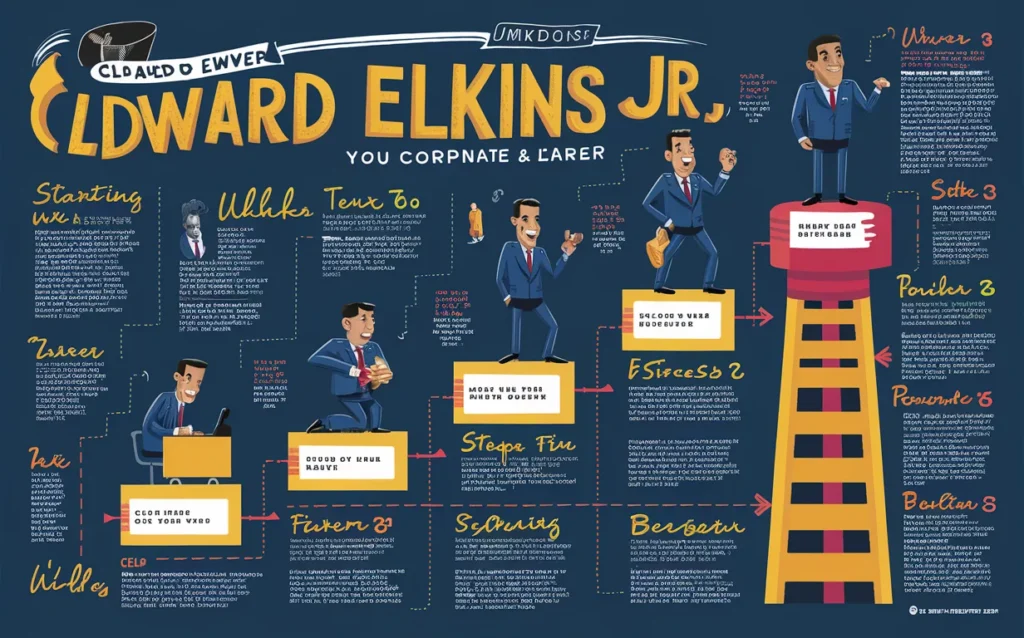
After a while, I stumbled upon Claude Edward Elkins Jr.’s work background. What jumped out first – his move from handling brakes on trains to sitting near the top at Norfolk Southern. A shift like that doesn’t happen every day. One moment he’s in the yard, next he’s shaping company direction. Not many make that kind of climb. His path unfolded step by step, rail job after rail job, then suddenly an office with decisions instead of switches. Few careers twist upward so sharply. Starting low, ending high – not just higher, but leading.
Now everything shifted how I looked at the work, how I questioned it. Rather than treating it as just one more corporate bio, my focus landed on real hands-on know-how, especially in fields where lives depend on timing, movement, and tracking. Decisions aren’t abstract when delays ripple across continents.
Two weeks spent digging through fifteen pieces – articles, talks, worker insights – all circling freight rail work. Hard skills came up way more than charm, again and again, when people spoke on what really matters out there.
That’s unusual today.
Where Claude Edward Elkins Jr.’s Career Story Feels Different — And Where It Doesn’t
| Advantage (What Worked) | Disadvantage (What Frustrated) | My Honest Take |
|---|---|---|
| Ground-level operational experience | Public information is limited | Makes the story feel more authentic |
| Long-term industry credibility | Not widely known outside rail circles | Deserves broader attention |
| Leadership shaped by real field work | Corporate profiles can feel repetitive | The career path itself is compelling |
| Military discipline background | Hard to verify some online claims | Best to rely on trusted reporting |
| Deep freight transportation knowledge | Industry terminology gets technical fast | Worth learning if you stay patient |
What stood out during my look into Elkins wasn’t flashy titles, but a steady pattern others kept noting. His path unfolded step by step, never rushed. Most accounts focused less on speed, more on depth – how he learned systems by working within them.
Leadership showed up not as something handed down, but built slowly through doing. Even sources that disagreed elsewhere still matched here. Experience shaped him, not shortcuts.
It builds a unique sort of respect. Workers seeing bosses who once did their jobs – that makes sense even to someone who has never seen a freight schedule.
Finding details about him might test your patience, since what’s out there shifts unpredictably across the web. A few pieces dig deep with care, though plenty come off as robotic or stretched thin with flair.
Out of nowhere, I found myself verifying most statements after all, covering transit bosses hardly counts as gossip reporting. When it comes to accuracy, solid sources can carry extra weight.
Quick Reasons the Story Stuck With Me
✓ Rare career progression
✓ Practical leadership experience
✓ Strong industry reputation
✓ Real operational background
✓ Long-term career consistency
The Mistake Many Make About Railroad Executives
Truth is, I didn’t grasp the complexity of today’s rail networks until I started looking closer. Far from just making decisions behind desks, those running the railroads stay deeply tied to how things move on the ground.
Soon enough, the idea began to crumble.
Out past the surface of freight networks, one fact stood out – knowing how things actually work counts more than ever. When those in charge lack real-world exposure, choices tend to miss their mark.
Truth is, railroads get brushed aside too fast, seen as outdated when really they’re stitched into everything – factories depend on them, delivery networks rely on them. Learning about leaders such as Claude Edward Elkins Jr. shifted my whole take on what keeps transport systems running.
Tracking transportation leadership updates my way
Nowadays, my attention sticks to logistics articles for a few hours every week. The pandemic laid bare hidden links between global systems, which somehow made freight routes feel personal. What seemed dull before now pulls me in – how trucks, ships, and delays shape daily life clicks these days differently.
Looking into leaders such as Claude Edward Elkins Jr.? I tend to line up company bios alongside coverage from transport-sector journalists, along with third-party reviews. This way, puffery tends to fall away.
Reading stuff means I jot things down, since freight terms pack together quickly. Words such as intermodal logistics might feel heavy at first – yet seeing them again helps clarity grow. Rail freight optimization slips into place after a few rounds. Even industrial products marketing loses its edge once it becomes familiar.
These days, my focus lasts longer than before. Back then, an in-depth piece on rail operations would’ve lost me fast. These days, lengthy transport reports hold my attention easily.
People Uninterested in This Subject
Start with a quiet man instead of flash. His name is Claude Edward Elkins Jr., not some headline-chasing founder. Skip the usual tales built around wealth and fame. This one slips past glitz, lands in detail. Most reports love bold names, fast money, new apps – his path does not fit that noise. See how depth replaces drama here. Not showy, just steady work under the surface.
Most of what matters happens out of sight. Running rail networks leans on schedules, coordination, careful oversight, structural upkeep – steady groundwork instead of headlines or viral moments.
Truth is, some folks might feel distant from this subject if they skip over how things actually run. Getting into freight means sitting with terms and steps that take time to settle in.
For those who value real-world leadership over empty talk, what’s inside offers plenty to explore.
What Makes This Career Story Interesting
✓ Ground-up leadership path
✓ Real industry expertise
✓ Operational decision-making
✓ Long-term professional growth
Questions People Actually Ask About Claude Edward Elkins Jr.
Claude Edward Elkins Jr Who He Is?
Back up the tracks a bit – Claude Edward Elkins Jr. climbed ranks at Norfolk Southern from hands-on rail jobs. Not many make that shift from field work to big office decisions, yet he did. His name sticks around when people talk about long-haul careers in freight operations.
Claude Edward Elkins Jr.’s role at Norfolk Southern?
Now leading key parts of freight transport planning, he handles how customers are supported across several areas. Running things from industrial goods to rail-based solutions takes up much of his time these days. Operations tied to client needs fall under his direction, especially within shipping networks. People say his reach stretches through logistics coordination and revenue-focused rail initiatives.
Why do people find his career path interesting?
Out here, few top managers began their careers doing hard labor in industrial roles. What makes Elkins different? He moved up from working as a brakeman – a path that brings real hands-on insight, not just boardroom theory. That kind of journey speaks louder than titles ever could.
Claude Edward Elkins Jr Military Service?
Some bios mention time in the U.S. Marines prior to working on the rails. His strict way of leading tends to get traced back to those years in uniform.
Why does freight rail leadership matter today?
Now I see things differently after looking into this subject. Freight trains shape how goods are built, moved, linked across networks, save energy, drive economies – often without notice. Choices by leaders in transit ripple through whole sectors of work.
The Key Point To Keep In Mind
What stands out most after looking into Claude Edward Elkins Jr.’s background? Real-world know-how holds weight – particularly where logistics, systems, and exact execution are central. Though trends shift fast, time-tested insight keeps shaping outcomes behind the scenes.
What stands out isn’t some polished rise up the ladder, but years spent doing similar work, learning deeply how things function, and building trust slowly over time. Each step forward came only after mastering what came before.
Should transportation networks catch your eye, or maybe growing leaders, or even how operations run – there’s real worth in exploring journeys such as this one. Yet should flashy startup fights or fame-driven founder tales be what you seek, it’s unlikely this path keeps you engaged.
Every day, the economy runs on unseen work – careers like his show why that happens without noise. A hidden rhythm holds things together.